

Health and Life Sciences
Metrology provides the foundation of trust necessary for health and life sciences. It ensures reliable, comparable and traceable measures for monitoring diseases, ensuring food safety and developing safe products.
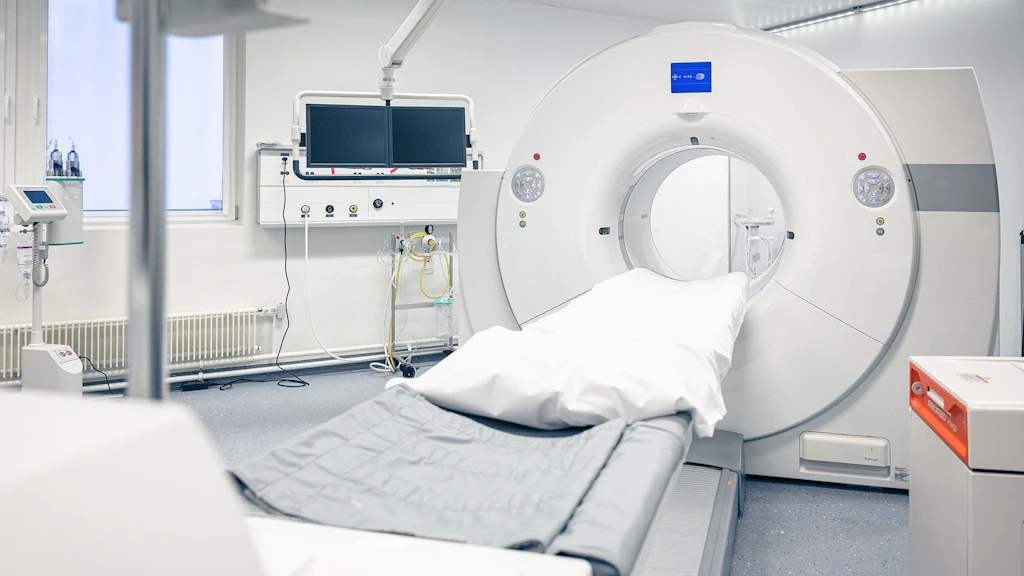
Health and life sciences rely on ever more precise measurements. Whether it is a question of protecting people from radiation, ensuring food safety or guaranteeing the quality of medicines, robust measurement methods are essential.
To meet these needs, METAS continuously develops and improves measurement methods, while at the same time providing standards and reference materials tailored to user requirements.
In this way, METAS contributes to
- the reliability of measurements of ionising and non-ionising radiation,
- the detection of chemical and biological contaminants in food,
- and the control of critical parameters in the manufacture and verification of pharmaceutical products.
Projects in the field of health and life sciences
Through our involvement in numerous research projects in the field of health and life sciences, we strive to remain at the forefront of research.
Here is a selection of research projects carried out by METAS in this field:
- GenomeMET - Metrology for genomic profiling to support early cancer detection and precision medicine
- MeLiDos - Metrology for wearable light loggers and optical radiation dosimeters
- Flash-Dose - Traceable dosimetry for FLASH radiotherapy
- Faraday Cup Reference Dosimetry in Proton Therapy Traceable to a Primary Standard Laboratory
- MIRACLE – MIcrobeam RAdiotherapy– paradigm change in CLinical cancEr treatment
- ETrain – Establishing traceability routes in nuclear medicine
- ScreenFood – Metrology for food safety in the circular economy
Fields of expertise
We are actively engaged in research in many of our areas of expertise. You can find more information about this on the respective pages.

Biological analyses
Using our analyses, we determine biomarkers in complex samples using accredited and traceable methods. For new analytes, we develop detection methods tailored to your individual requirements.
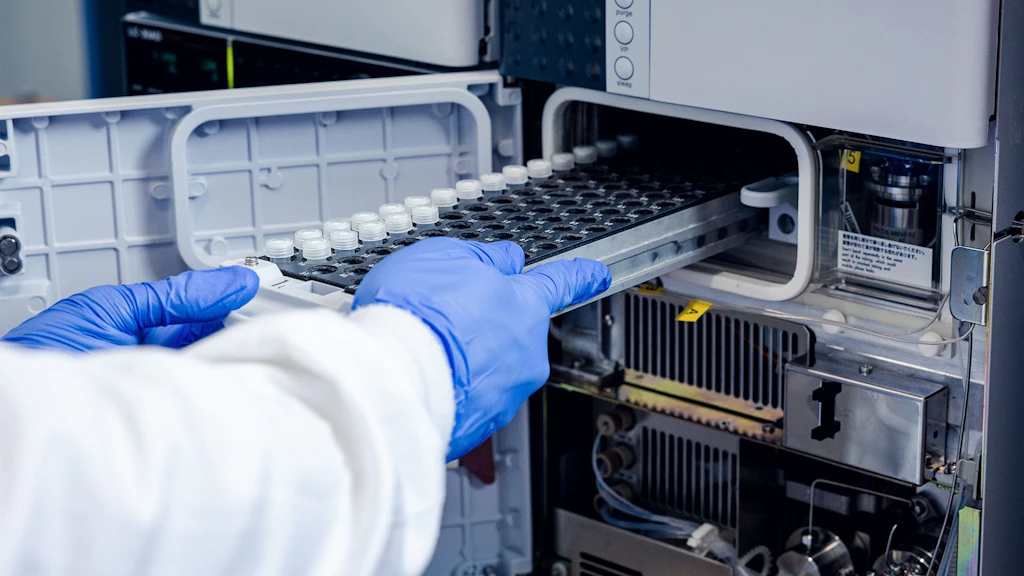
Organic Analysis
We precisely measure organic molecules, mainly trace-level contaminants, in food, food contact materials, blood, and urine. This enables reliable (bio)monitoring of chemical exposure, supports food safety, public health, environmental protection, and research.

Ionising radiation
METAS guarantees the metrological traceability of measurements of ionising radiation and thus creates an important basis for their safe and reliable use in medicine, research and radiation protection.